Velvet is one of those fabrics that makes a room feel instantly more luxurious. It has a deep, soft pile that catches light differently depending on the direction you look at it, and that quality alone is why interior designers keep coming back to it. Whether on a sofa, a pair of curtains, or a set of dining chairs, velvet adds warmth, depth, and a sense of occasion that very few other fabrics can match.
It is also far more practical than it looks. A well-chosen velvet holds up well to daily use, resists pilling, and keeps its appearance with simple care. For upholstery especially, it is one of the most reliable luxury fabric choices available.
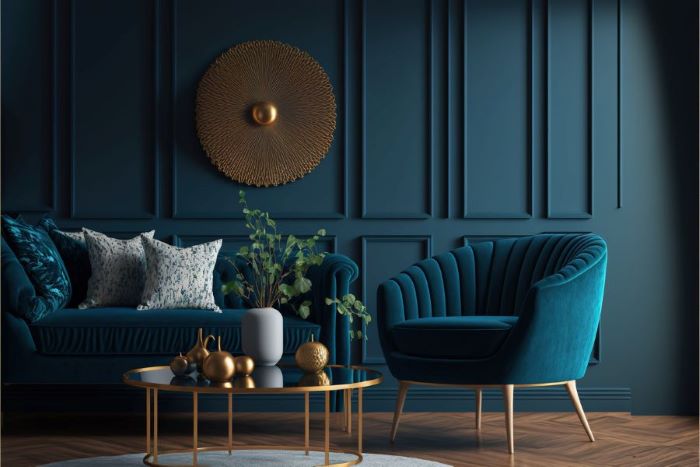
Why Velvet Works So Well in Interior Design
The secret to velvet’s appeal is its pile. The dense layer of cut fibres that sits on the surface of the fabric. When light hits the pile from an angle, velvet looks rich and deep. From another angle, it appears almost glowing. This is what gives a velvet sofa or curtain that sense of fluidity and life, even when nothing else in the room is moving.
It also absorbs colour beautifully.
Deep jewel tones like navy, emerald, burgundy, and burnt orange look particularly striking in velvet because the pile adds depth to the colour in ways that flat-woven fabrics cannot. Even neutral tones like grey, cream, and soft teal take on more character in velvet than they would in a plain brocade weave.
Beyond looks, velvet is genuinely comfortable. It feels warm and soft to the touch, which makes it especially well-suited for living rooms and bedrooms where comfort matters as much as appearance.
Using Velvet for Upholstery
Upholstery is where velvet performs best in home styling. Sofas, armchairs, ottomans, and headboards all suit velvet well, and for good reason, too. The fabric is dense enough to take the friction and pressure of daily use without wearing thin quickly. Secondly, it recovers well from compression.
When choosing velvet for upholstery, the key thing to check is the rub count, a measure of how many times the fabric can be rubbed before it shows wear. For a family sofa that gets daily use, look for a rub count of 25,000 or above. For a formal occasional chair that gets lighter use, a lower rub count is perfectly acceptable.
One practical point to note, though, is that velvet shows pet marks more readily than some other fabrics, and it can be tricky to clean if liquids are spilt on it. If either of those is a concern, synthetic velvet (or treated performance velvet) is worth considering over pure silk velvet for upholstery.
Velvet Curtains: A Dramatic Choice
Velvet curtains are one of the most effective ways to transform a room. They hang with natural weight and fullness, block light well, and add excellent insulation, which makes them a genuinely practical choice for larger windows or rooms that lose heat easily, not just a decorative one.
Floor-length velvet curtains in a living room or bedroom create an instant sense of grandeur. The weight of the fabric means they fall into generous folds without needing to be overly structured or stiffened.
For smaller windows, velvet can feel heavy if the room is already dark or compact. In such cases, using velvet as a single panel, a curtain topper, or a tie-back treatment alongside lighter sheers gives you its visual richness, without making the room appear closed or small.
Types of Velvet Fabric
Velvet comes in several forms, each with different qualities and best uses.
Pure Silk Velvet: the most luxurious and expensive type. Incredibly soft, with a very fine pile and a distinctive luminous quality. Best used for decorative applications and occasional furniture, rather than everyday upholstery.
Cotton Velvet (Velveteen): also called velveteen, is a cotton-based velvet with a short, dense pile and a smooth back. It has slightly more body than pure velvet, which makes it less fluid to drape but very well suited to structured upholstery. It is also more affordable and easier to care for than silk velvet.
Velour: a softer, knitted fabric that looks velvety, but not as lustrous or dense. It stretches slightly, which makes it more forgiving for casual furniture. It is more affordable than velvet and is a practical choice for family-use pieces.
Crushed Velvet (Panné): a type of velvet where the pile has been pressed in different directions, creating a shimmery, changeable surface effect. It is very decorative, and it works well as cushion covers, throws, and upholstered accent furniture.
Embossed Velvet: velvet fabrics with patterns pressed or burned into the pile, creating raised designs on the surface. It is one of the most decorative types of velvet and generally one of the more expensive options.
Façonné Velvet: a cut velvet made using a burnout printing method where some of the pile is dissolved away to leave a pattern against a sheer or semi-sheer background. This type of velvet material is elegant and detailed, and is best suited for curtains and decorative panels.
Moquette: a durable, carpet-like velvet used mainly in commercial settings, such as theatre seats and transport upholstery. Moquette is extremely hard-wearing and occasionally used for high-traffic areas of residential interiors.
Care and Maintenance
Velvet does not require complicated maintenance, but it does need a little care for it to stay looking its best.
Brush velvet upholstery lightly and regularly with a soft brush to lift the pile and remove dust. If the pile becomes flattened from sitting pressure or storage, applying steam lightly or holding the fabric over steam (without touching it directly) can restore it.
For spills, blot immediately without rubbing. Rubbing pushes liquid deeper into the pile and can leave a permanent mark.
For curtains, vacuuming gently on a low setting with an upholstery attachment keeps them clean without damaging the pile.
Please note that most velvet curtains benefit more from professional cleaning rather than home washing.
Choosing the Right Velvet for Your Design Project
The best velvet for your project depends on what the piece is meant for.
For a sofa or armchair that gets daily use, a cotton velvet or a performance velvet with a high rub count is the practical choice. For a formal dining chair or an occasional accent piece, silk velvet or embossed velvet gives you a more refined result without the durability pressure. For curtains, any medium-to-heavyweight velvet works well. The key consideration is colour, and how it will read in the room’s natural light.
If you are buying online, always order a sample first. Velvet colours vary significantly more, with different screen settings, and the weight and pile depth of the fabric are things you need to feel before committing to a full order.