Wool is one of the most underrated fabrics in interior design because people associate it only with clothing, like jumpers, coats, and suits. But in the home, wool performs exceptionally well for upholstery, curtains, rugs, and soft furnishings.
It is warm, naturally resilient, and stain-resistant, adding texture to a room that no synthetic fabric can replicate.
What makes wool particularly valuable in an interior setting is that it enhances quietly. It absorbs sound, which makes a room feel calmer. It regulates temperature, keeping spaces warmer in winter and less stuffy in summer. It resists flame naturally. And it holds its shape and appearance over many years of use. This is more than can be said for fabrics that look impressive in a showroom but disappoint within a season.
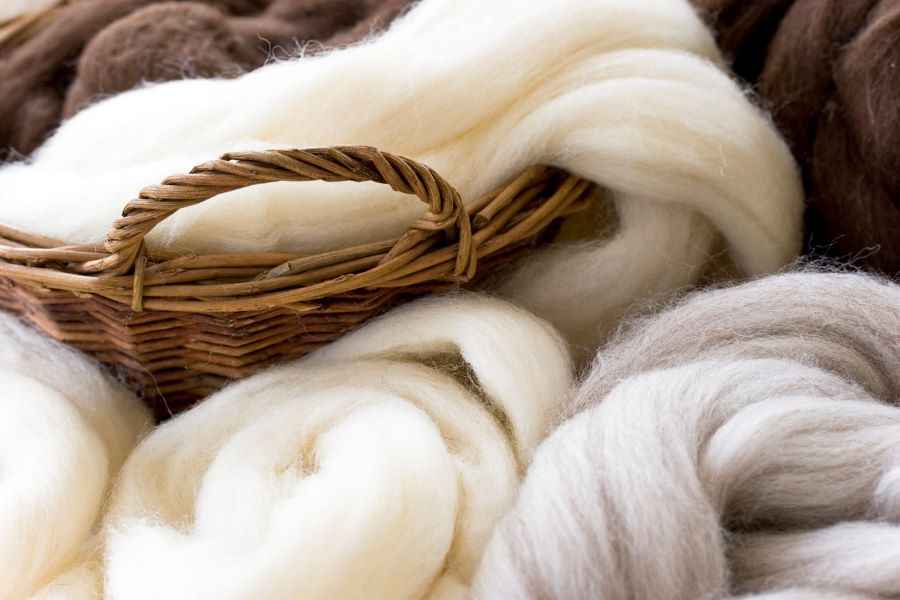
Why Wool Works So Well in the Home
Wool fibres have a natural crimp in the form of a slight wave that gives the fabric its characteristic springiness and resilience.
When compressed, wool bounces back. This is what makes it so well-suited to upholstery, where fabrics are sat on and leaned against daily. It also has a natural ability to absorb moisture (up to 40 per cent of its weight) without feeling damp to the touch. This makes it comfortable in humid rooms and helps prevent that musty, damp smell that can develop in some synthetic-fabric upholstered furniture over time.
Wool is naturally antistatic, which means it does not attract dust and lint the way synthetic fabrics do. For anyone who has ever watched a velvet sofa accumulate pet hair, that quality alone is worth noting.
The one genuine weakness of natural wool in the home is its vulnerability to moths. Proper storage and occasional treatment are needed to protect wool soft furnishings, particularly in rooms that are not used often.
Wool for Upholstery
Upholstery is one of the best applications for wool in interior design. Tightly woven wool upholstery fabrics, like worsted wool and wool blends, are hardwearing, comfortable, and age well. They develop a subtle patina over time, rather than simply wearing out.
Wool upholstery suits traditional and contemporary interiors equally well, depending on the weave and colour.
For example, a herringbone or houndstooth wool fabric on an armchair is classic. A plain-woven bouclé wool on a modern sofa reads as textural and contemporary, the same fibre, but with very different results.
For dining chairs and heavily used seating, a wool and nylon (or polyester) blend gives extra durability without losing the comfort and appearance of the natural fibre.
Pure wool is better suited to occasional chairs and formal pieces that get lighter use.
Wool Curtains and Drapery
Wool curtains are an excellent choice for rooms where insulation matters. Its natural density effectively blocks cold air from windows. This is a practical benefit in addition to the visually pleasing one.
They hang with natural weight and drape well without needing heavy lining, although a lining always extends the life of any curtain fabric. Wool curtains are a great choice for living rooms, studies, and bedrooms. They work particularly well in rooms where warmth and a sense of coziness are part of the design theme.
Lighter wool weaves like fine wool crepe or challis can be used for softer, more relaxed drapery where a heavy curtain would feel out of scale with the room.
Wool Rugs and Floor Coverings
The rug and carpet industry has used wool for centuries, and for good reason. Wool carpet and rugs are the most durable natural floor covering option available. They resist crushing underfoot, bounce back from heavy furniture placement, and clean well.
Wool rugs also add acoustic benefits to a room. Hard floors echo, and a good wool rug absorbs that sound immediately.
In open-plan interiors, a wool rug is a good way of defining zones within a room. Carpet wool, the coarser, denser category of wool fibre, is specifically suited to this. It is more affordable than the finer wool types and is built for the demands of floor-level use.
Types of Wool Fabric and Their Interior Uses
- Merino wool is the finest and softest wool from sheep. Incredibly smooth against the skin, it is ideal for bedroom soft furnishings like throw blankets, cushion covers, and bed linen. It is also used for lightweight upholstery on occasional chairs where softness is a priority.
- Bouclé has a distinctive looped, textured surface that gives it a chunky, tactile quality. It is one of the most popular wool types in contemporary interior design, particularly for sofas and armchairs, where texture is the design statement. Bouclé has had a significant moment in recent years and shows no sign of going anywhere.
- Tweed is a classic woven wool with a slightly rough surface. Its characteristic patterns, herringbone, houndstooth, check, and plaid, work beautifully on accent chairs, window seats, and cushions. It brings a traditional, country-house quality to a room and suits both classic and modern rustic schemes.
- Cashmere wool is extraordinarily fine and soft and is sheared from Kashmir goats. In interior design, it is mainly used for throw blankets and decorative cushions, where its luxe feel is the main point for its use. It is too delicate and expensive for everyday upholstery.
- Mohair comes from the Angora goat and has a lustrous, slightly fuzzy surface. It is used for upholstery on formal occasional furniture and for cushions. It has a high sheen that gives it a slightly glamorous quality, less rustic than tweed, but more decorative.
- Lambswool is soft, elastic, and lightweight. It is shorn from young lambs. It works well for soft furnishings accessories such as cushion covers, throws, and lightweight blankets. Lambswool has a fine, smooth quality that falls between the luxury of cashmere and the practicality of standard sheep wool.
- Worsted wool is tightly woven with a smooth surface and a subtle sheen. It is the hardest-wearing of the fine wools and the best choice for upholstery that can withstand regular daily use. Dining chairs, office chairs, and frequently-used sofas all work well with worsted wool.
- Wool gabardine has a distinctive diagonal ribbed surface and is water-resistant. In interiors, it is used for structured upholstery, and occasionally, for blinds and roller shades where a firm, tailored fabric is recommended.
- Vicuña wool is the rarest and most expensive wool in the world. It comes from a protected South American camelid. It is used for the most exclusive interior commissions: bespoke cushions, throws, and statement upholstery pieces. It is a purely aspirational category for most Interior design projects, but it’s worth knowing about it.
How to Care for Wool Used for Interior Design
Wool is easier to care for than most people expect.
- For upholstered pieces, regular vacuuming with a soft upholstery attachment keeps the surface clean and prevents dust from settling into the weave. Blot spills immediately. It’s a great thing that wool’s natural moisture resistance means liquids tend to sit or roll on the surface, rather than be absorbed instantly, which gives you time to mop up quickly.
- For wool rugs, rotate them periodically to ensure even wear. Have them professionally cleaned every couple of years, depending on foot traffic.
Moth protection is the one area that needs attention. Cedar blocks, lavender sachets, or a professional moth treatment applied to wool soft furnishings (particularly in guest rooms or storage areas that are not used regularly) will protect the fabric over the long term.
Buying Wool Fabric for Design Projects
When buying online for interior design use, check the fibre content carefully. Pure wool and wool blends behave differently in use, and the blend percentages matter. A material described as a wool blend could be either 80 per cent wool or 20 per cent wool. Definitely, the performance difference will be significant.
Weight is the other key specification. Upholstery wool should be a heavier-weight fabric, while curtain and drapery wool can be lighter. If the listing does not include the fabric weight in grams per square metre (gsm), it is worth enquiring with the retailer before ordering.
As always, order samples first. Wool textures and colours vary more than most fabrics between device screens and reality, and the tactile quality of the weave, which matters enormously for upholstery, is something you can only assess by touch and feel.