Denim fabric is one of the toughest, most widely used, and most loved materials in the world.
It started life as workwear for miners and labourers, but today you will find it almost everywhere. From jeans and jackets to cushions and curtains, denim fabric has earned its place in homes and wardrobes across the globe.
A Brief History of Denim Fabric
Denim fabric became famous in the late 1800s when a tailor in Nevada, USA, created the first pair of denim trousers. These were made for miners and workers who needed clothes that could survive hard, rough days on the job. The fabric was strong and tough, and it did not wear out easily, which made it perfect for this kind of work.
Around the same time, the name “jeans” came from a similar cotton fabric made in Genoa, Italy, while the word “denim” is believed to come from “serge de Nîmes,” a fabric from the French town of Nîmes. Over time, these names and fabrics blended into what we now call denim.
More than 150 years later, denim fabric is everywhere. Almost every home has something made from it, whether that is a pair of jeans, a denim jacket, cushion covers, or even a patchwork duvet cover.
Why Denim Fabric Has Lasted So Long
Denim fabric has stood the test of time because it works. It is practical, hardy, and suits almost any climate or lifestyle. People wear it in cold countries and hot countries alike. It fits casual looks and smart looks. This mix of toughness and style is why denim fabric remains a favourite, generation after generation.
Types of Denim Fabric
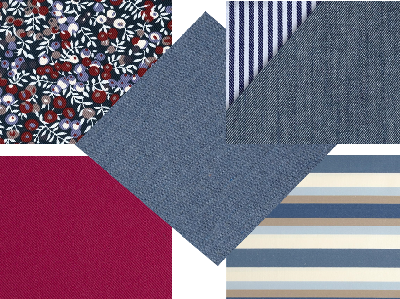
Denim is not just one thing. It comes in many colours, weights, and finishes. The most well-known type is 100% cotton denim dyed with indigo blue. This is the classic, traditional denim that most people picture when they hear the word “denim,” and it remains the most popular choice for consumers today.
Other popular categories of denim fabric include:
- Washed denim, which has been treated to look softer and slightly faded.
- Khaki denim, which is a lighter, tan-coloured version often used for casual trousers.
- Raw denim, which has not been washed or treated after dyeing. It has a stiffer feel.
- Dry denim, like raw denim, known for holding its shape and developing unique fade patterns over time.
- Stretch denim, which has added elastane or spandex for more flexibility and comfort.
- Bleached denim, with its lighter, sun-faded appearance.
- Coloured denim, dyed in shades other than the classic indigo blue, such as red, green, or pink.
- Patterned denim, which includes prints, stripes, or other designs woven or printed onto the fabric.
- Crushed denim, which has a wrinkled, textured look that’s created through a special finishing process.
- Reverse denim, where the lighter, inside-facing side of the fabric is used as the visible side for a softer, faded effect.
Within each of these categories, denim fabric can also vary by fibre content (pure cotton or blends with other fibres), yarn weight, shade (light to dark), colour, and texture. This wide range is part of why denim fabric suits so many different projects and styles.
Key Properties of Denim Fabric
Denim fabric is popular because of its many useful qualities. It is hard-wearing and sturdy, able to handle rough use without falling apart. It can be heavyweight for durability or softer and lighter for comfort.
It is also multipurpose, fitting into fashion, interior furnishings, fashion accessories, and more. It comes in a great price range, so there is something for every budget. It is timeless, never really going out of style, and it is non-age specific, suiting children, adults, and older generations alike.
Beyond these basics, denim also has some impressive technical qualities:
- It has good crease recovery, meaning it bounces back from folds and creases.
- It has strong tensile strength, so it resists tearing under pressure.
- It is non-abrasive against the skin, despite its tough feel.
- It offers thermal conductivity, helping to keep the body warm in cooler weather.
- It allows air permeability, so air can pass through it.
- It has moisture transport properties, helping to move sweat or dampness away from the body.
One more unique feature is its colour. Traditional denim keeps its consistent blue shade, thanks to the indigo dye used in the dyeing process, a natural pigment that has been used for centuries.
9 Things You Can Make with Denim Fabric
Denim fabric is incredibly versatile, and its uses go far beyond jeans. Here are nine popular ways to use denim fabric:
- Upholstery for sofas, chairs, and other furniture, where its strength makes it ideal for everyday wear and tear.
- Slip covers, which protect furniture while adding a casual, stylish look.
- Quilts, where different denim shades and textures can create beautiful patchwork designs.
- Apparel, including jeans, jackets, skirts, shorts, and dresses.
- Footwear, such as canvas-style shoes, boots, and trainers with denim panels.
- Fashion accessories, including bags, belts, wallets, and hats.
- Hats, which combine durability with a casual style.
- Lampshades, where denim fabric adds texture and a cosy, homely feel to a room.
- Artworks and crafts where denim can be used for fabric collages, wall hangings, and mixed-media pieces.


Denim Fabric. A True Multipurpose Material
Denim fabric has come a long way from its origins as tough workwear for miners. Today, it is a highly multipurpose fabric, at home in a fashion collection as it is in a living room.
With so many types, colours, and finishes available, there is a denim fabric to suit almost any project, whether you are sewing clothes, decorating your home, or creating something entirely new.