The fabric choices for interior design do more than being decorative or cover surfaces. They determine how a space feels underfoot, how light behaves at a window, and whether a piece of furniture holds up to daily use or shows wear within a year. Get the textiles right, and every other design decision falls into place around them.
This article covers the most important fabrics used in interior design projects. From the versatility of cotton to the opulence of silk, velvet, and damask, you will find practical guidance on where each material works best and what to avoid.
How to Choose Fabric for Interior Design Projects
Not every fabric works in every situation, and the most common decorating mistakes come down to choosing a textile for how it looks rather than what it can do. A fabric that photographs beautifully in a showroom can pill, fade, or sag within a season if it was never suited to the job. Three questions narrow the choice quickly.
1. What is the fabric doing?
Think about where the fabric will end up. A sofa gets sat on, leaned against, and used every single day, so it needs a tough, hard-wearing fabric that can take the pressure. Curtains just need to hang nicely and block or filter light, so they can be a little more lightweight. Cushions and throw pillows are mostly there to look good, which means you have more freedom to use softer, more delicate fabrics without worrying too much about wear and tear. In short, the harder the fabric has to work, the sturdier it needs to be.
2. How much natural light does the room get?
Direct sunlight degrades most textiles over time, but some, particularly synthetics and tightly woven natural fibres, handle sunlight far better than others. Silk, for instance, is stunning for a window but weakens with prolonged sun exposure. Linen and quality cotton are far more suitable for use in a sun-facing room.
3. What is the dominant texture in the interior space at-the-moment?
Fabric introduces tactile character: smoothness, pile, sheen, or roughness, and these need to be balanced with other surfaces in the room. For instance, a heavily textured bouclé sofa in a room already full of rough stone and reclaimed wood will look chaotic, whereas the same sofa in a room of smooth plaster and polished floors becomes the focal point it was meant to be.
Once these three factors are established, the choice of material becomes easier and straightforward.
Cotton
Cotton in its pure form is celebrated for its breathability and versatility. The fabric is used for everything from tablecloths to window blinds. It is durable, long-lasting, and can be used for most interior décor items. It resists pilling and has an abrasion-resistant quality – a desirable characteristic for soft furnishings and upholstered furniture.
Types of cotton fabrics used for interior design projects vary from the soft sheer types to the sturdier weighted cotton cloth.
Terry cloth is one of the softest cotton textiles and can be used for rugs, cushions, and chair covers.
Linen, derived from the flax plant, is one of the sturdiest and most durable natural fibres available. It can be used as sheer or heavier fabrics to suit any décor and price point.
Voile fabric made of pure cotton is soft, sheer, and lightweight. It is mainly used for soft furnishings and window treatments. Voile is also used for light furniture and table linen.
Chintz is a medium-weight cotton fabric with large-size flora prints and a glazed or unglazed finish. This bright, attention-grabbing fabric is back in vogue and used for drapery, upholstery, wall coverings, and furniture accessories like lampshades and throw pillow covers. Chintz can be used practically anywhere in a home.
Velvet
Luxury velvet fabrics are made entirely from silk. It is rare and usually very expensive. Less expensive velvet is made from a blend of cotton, mohair, or wool, but it comes without the typical lustre of silk velvet. Characteristically rich and luxurious, velvet can be used for most fabric-based furnishings, including upholstery, drapery, pillow covers, and accent chairs.
Silk velvet is the most expensive type of velvet fabric. But because it is high-priced and not readily available, much of the fabric sold today, which many erroneously refer to as ‘silk velvet’, is a blend of rayon and silk. It is a popular choice of interior designers and is suitable for upholstery, luxury drapes, sumptuous bedcovers, and cushion covers.
Cotton velvet is ideal for both apparel and upholstery. Its durability makes it an excellent choice for most textile-based home furnishings. Sumptuous bed coverings, wall coverings, upholstery, draperies, and cushions can also be made from cotton velvet.
Cut velvet is also excellent for most home décor items that require the use of fabric. Cut velvet has floral designs and geometric shapes woven into the fabric and trimmed down from uncut loops of the pile.
Crushed velvet fabric is made through a process where the fibres are twisted while wet to give that characteristic crinkled look. Crushed velvet has a unique shimmer with a soft and silky texture and is great for drapes and all forms of furniture upholstery.
Wool
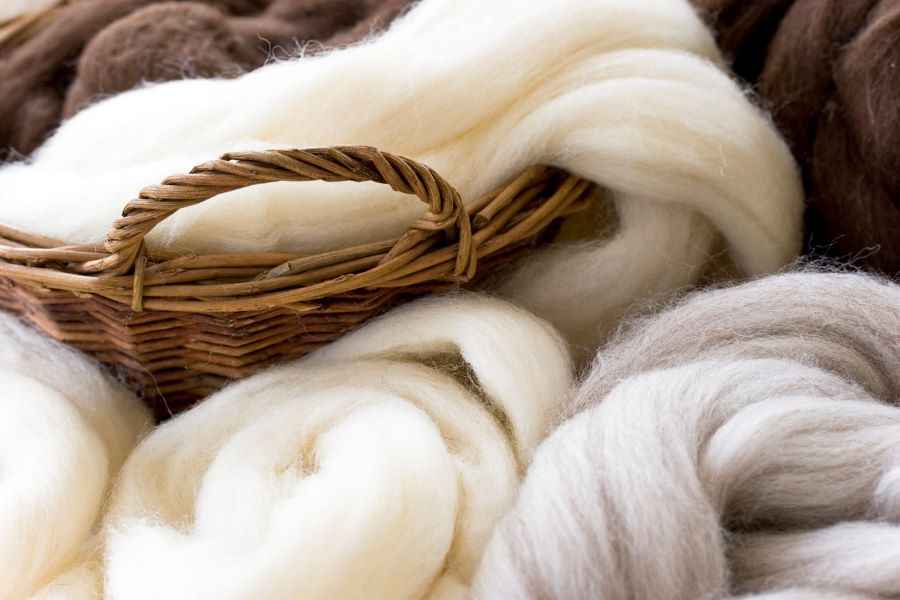
Wool materials are sturdy, resilient, and durable and are one of the best choices for interior furnishings. Although wool blends are more popular because of their anti-pilling and anti-wrinkling properties, wool, whether pure or blended with synthetic fibres, is popularly applied to interior design works. The fabric can be used for area rugs, carpets, drapes and curtains, upholstery, and loose cushions. Pure wool is beautiful, luxurious and quite pricey.
Cashmere wool is a luxury fabric choice for designers and decorators. From bed and sofa throws to luxurious blankets, drapery tassels, and modern and mid-century upholstered pieces, cashmere will always remain an aesthetically pleasing material incorporated into interior spaces.
Lightweight wool is loosely but firmly woven and hangs very beautifully as drapes. Examples include Batiste and crepe, a lightweight worsted wool. It is the best type of wool to use for window treatments.
Alpaca wool, derived from Alpaca sheep (a member of the camel family), is soft, luxurious, textured, and hypoallergenic. They are used for pillow covers, throw rugs, and chair throws.
Damask
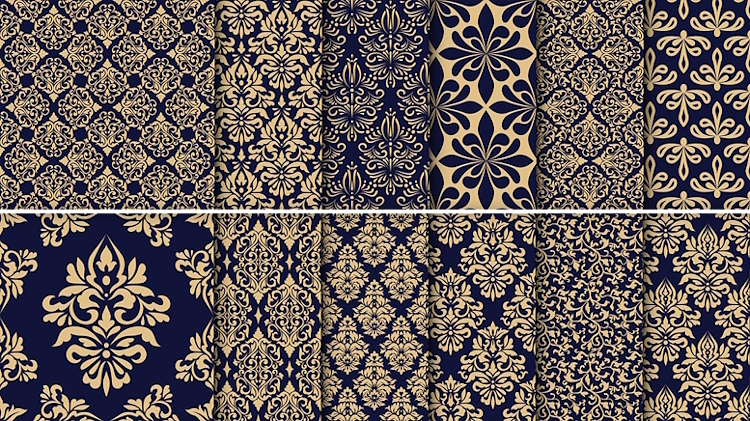
Traditionally, damask is a monochromatic fabric produced from pure silk, but today, it includes up to two or more colours. Pure and un-blended damask fabric has different kinds of weaves – twill, satin, and sateen with varying textures and grades of sheen. Its design is unique in the way light plays off its vertical warp and horizontal weft fibres.
Damask fabrics can be used for most household furniture and furnishings that require textiles.
Double damask is a fabric loved by interior designers. It is a high-quality reversible fabric (its design and pattern show on both faces). Although all damask fabrics appear reversible, the single-face type is less lustrous on its reverse side. The textile material is used for drapery, table linen, and as furnishings fabric.
Brocade: Texture and Embellishment for Accent Furniture
Brocade is one of those fabrics that stops you in your tracks. It has raised, woven-in patterns, florals, scrolls, geometric shapes, etc. that catch the light and give any surface an almost three-dimensional quality. Unlike a printed fabric where the design sits on top, brocade’s patterns are built into the weave itself, which is why it looks so rich and lasts so well.
In an interior design setting, brocade works best as an accent rather than a main event. Think of it on a statement armchair, a window seat, a footstool, or a pair of cushions on an otherwise plain sofa. It adds instant visual weight and a sense of occasion to a room without overwhelming the space, but only if you don’t use too much of it.
It is a sturdy fabric. The dense weave means it holds its shape well and stands up to regular use better than you might expect from something that looks so decorative. It does not stretch, which makes it ideal for upholstered pieces where you need the fabric to stay put. It can feel warm to the touch, which works in its favour in cooler rooms or living spaces used in the evening.
One thing to bear in mind: brocade is not a subtle fabric. It makes a statement, so the rest of the room needs to be calm enough to let it do its job. Pair it with plain velvets, smooth linens, or solid-colour wools, and it will look intentional; however, pairing it with too many other patterns will make the space look cluttered.
For a closer look at brocade varieties and how to source them, see our full article: Brocade Fabric Guide
Silk: Sheer Luxury for Drapery and Decorative Accents
Silk is the most luxurious natural fabric you can use in an interior, and it shows. It has a soft, natural sheen that no synthetic fabric has ever quite managed to replicate; a gentle luminosity that reflects light in a way that makes a room feel warmer and more refined.
In interior design, silk is used most often for curtains and drapery, and it excels there. It hangs beautifully, drapes into soft folds, and makes windows look expensive in a way that heavier fabrics simply cannot. It also works well on decorative cushions and as a lining for headboards or bed canopies.
Where silk has an issue is with direct sunlight. Prolonged exposure weakens the fibres over time and can cause the colour to fade. If you are using it at a south or west-facing window, a good lining is not optional; it is essential. Without it, even the best silk curtains will deteriorate faster than you would want.
Silk is also a fabric that requires care. It does not like moisture, heat, or rough handling. For high-traffic areas or rooms used by young children, it is better suited to decorative applications like a cushion, a throw, or a headboard panel, rather than anything that will take daily wear, like an accent chair or sofa.
When the light is right and the setting suits it, it is a fabric that earns its price.
Fabric and Room Function, and Matching Textiles to Space
The same fabric does not work equally well in every room, because every room needs something different from the materials in it.
Living rooms need fabrics that can withstand daily use. Sofas and armchairs are sat on constantly, so the upholstery needs to be durable. Tightly woven cotton, linen, velvet, or wool blends all perform well here. Loose weaves and delicate materials like silk are better kept on cushions or occasional chairs that get barely any use.
Bedrooms are lower traffic, which gives you more freedom. Softer, more delicate fabrics work here because they are not being tested in the same way. Silk, fine cotton, and lightweight linen all suit bedroom curtains, bedheads, and soft furnishings. The priority shifts from durability to how the fabric feels and how it handles light.
Dining rooms need fabrics that are practical as well as attractive. Chair upholstery in a dining room gets food, spillage, and friction, so a performance fabric or a tightly woven, treated textile is the sensible choice. Save the brocade and the silk for decorative details like a tablecloth or a curtain, not the seat and back pads.
Home offices and studies are often overlooked in fabric decisions, but they benefit from textiles that absorb sound: wool, heavy linen, and thick curtains all help reduce echo and create a calmer working environment.
The rule of thumb is simple: the harder a room works, the tougher the fabric needs to be.
Where to Buy Luxury Fabrics for Interior Projects
Buying fabric online has become genuinely practical for interior design work. The range available is far wider than most physical shops, and specialist online retailers carry grades of material, including trade-quality upholstery fabrics and proper dress-weight silks, the types that the high street rarely stock.
When buying online, always check the fabric weight (gsm) and the fibre content before ordering. A product listed simply as “velvet” or “silk-look” can mean very different things depending on the composition. The difference in how it performs in a room is significant.
Order samples before committing yourself to a full length. Most reputable online fabric retailers offer them, and the few pounds spent on samples can save a costly mistake when the fabric arrives, and the colour reads differently in your room than it did on screen.
For interior design projects specifically, look for retailers that specify end use rather than those that list fabric as a general product without guidance:
- Upholstery grade
- Drapery weight
- Decorative use
The distinction tells you immediately whether the retailer understands how their fabrics are going to be used (or not).