Silk has a quality that no other textile fabric has. It catches light softly, drapes in long, clean folds, and gives any room an instant sense of class and refinement.
For curtains and home interiors especially, silk is the gold standard, the fabric that makes everything around it looks more considered.
This article focuses on how silk performs in home styling: at windows, on furniture, and as a decorative material, along with the types of silk most commonly used for interior projects, and what to look for when buying the material.
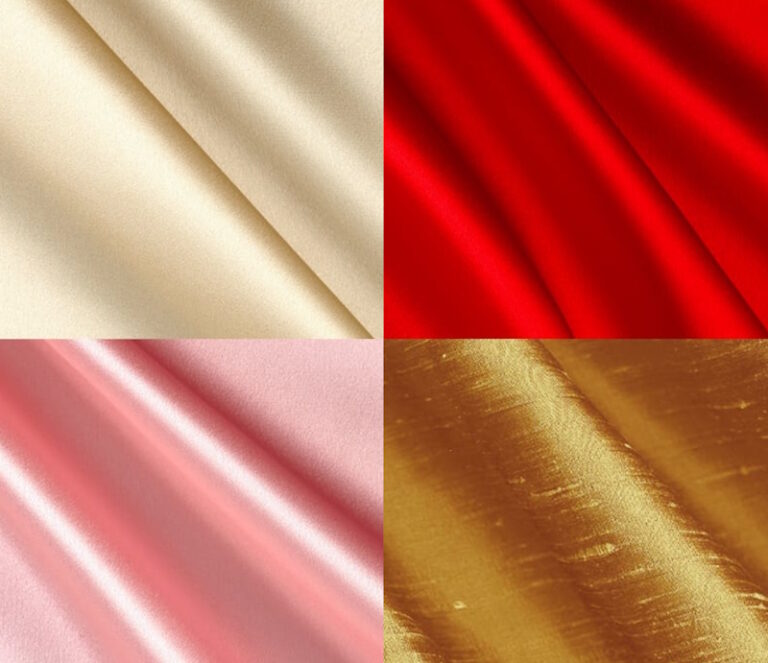
Why Silk Works So Well for Curtains
Curtains do two jobs at once. They manage light, and they contribute to how a room looks and feels. Silk handles both better than most fabrics.
The natural sheen of silk means it responds to changing light throughout the day, catching morning sun differently from the afternoon light and glowing warmly under artificial lighting at night. That quality is what makes silk curtains feel alive in a way that cotton or synthetic drapes can not.
Silk also hangs beautifully. Its natural weight and fluidity mean that it falls into soft, elegant folds without needing to be heavily lined or structured.
For floor-length curtains in a formal sitting room, bedroom, or dining room, that drape is hard to beat.
With silk fabric, the one thing to plan for is sun damage. Silk weakens when exposed to prolonged direct sunlight, and the colour can fade. A good quality lining is essential to protect the fabric and extend the life of the curtains significantly. For very sunny rooms, interlining adds an extra layer of protection and improves the hang further.
Silk for Home Furnishings and Soft Décor
Beyond curtains, silk is used in interior design in ways that reward a closer look.
Cushion covers in silk bring texture contrast to a sofa or bed. A plain velvet sofa with a few silk cushions in a complementary tone has a layered, deliberate quality that is difficult to achieve with any single fabric alone.
Bed linen and headboards in silk or silk-blend fabrics elevate a bedroom scheme quickly. The material feels cool and smooth against the skin, which adds a sensory dimension to the design beyond how it looks.
Wall panels and decorative screens are another application where silk genuinely earns its place. Because it is not being put under the daily stress of upholstery use, the fabric lasts well in these roles, and the visual payoff is high.
Upholstery is possible with silk, but it works best on occasional chairs or decorative furniture pieces that get light use, not every day sofas or dining chairs. The fabric is not as sturdy as velvet or woven cotton for high-traffic upholstery items.
Types of Silk Fabric
Silk comes in a wide range of types, each with different textures, weights, and best uses. They fall into two broad categories.
Pure Silk
- Mulberry silk: the most common and most refined. It is smooth, even, and consistent in quality and is the standard choice for curtains and fine furnishings.
- Raw silk is slightly rougher in texture and has a natural, uneven surface. It has a more relaxed, organic look than processed silk.
- Muga silk: a naturally golden-toned silk from Assam, India, is durable and rich in colour. It’s less commonly available, but highly distinctive.
- Charmeuse silk: lightweight with a satin-like finish on one side and a matte finish on the other. This type of silk is excellent for draping and soft furnishing.
- Silk Dupioni: crisp, slightly textured, with a natural slub running through it. It gives curtains and drapery a structured, tailored look and is very popular for formal interior settings.
- Duchess Satin Silk: heavy, smooth, and very lustrous and used for statement curtains and decorative upholstery where a high-sheen finish is the goal.
- Spider silk is extremely fine and rare. It is rarely used commercially, but it is worth knowing as a category of silk.
Silk Blends
Silk blends combine natural silk fibres with other materials to bring the cost down while keeping much of silk’s visual appeal. They are a practical choice for larger interior design projects where pure silk would be overtly expensive.
- Viscose silk: soft and fluid, it closely resembles pure silk in drape and sheen.
- Rayon silk is lightweight and affordable, and a reasonable alternative for decorative applications.
- Bamboo silk is sustainable and increasingly popular for rugs and soft furnishings. The fabric is soft, with a gentle sheen.
- Silk cotton voile: sheer and delicate. It works well as a sheer curtain layer behind heavier drapery.
- Polyester silk: the most affordable option, but less refined in appearance. It is practical for high-use applications.
- Silk Taffeta: crisp and rustling, with a slight iridescence. It’s good for formal curtains where structure is required.
Choosing the Right Silk Fabric for Your Interior Design Project
The type of silk you choose for your project should follow what it is meant for.
- For curtains in a formal room, Silk Dupioni or Duchess Satin gives the most structured, polished result.
- For a softer, more relaxed window treatment, Mulberry silk or Charmeuse drapes better and feel less rigid.
- For cushions and decorative accents, almost any silk type works. This is where you can use smaller amounts of more expensive pure silks without the cost becoming a barrier.
- For larger projects or rental properties, a high-quality silk blend is the sensible choice. You get most of the visual benefit without the fragility or the price of pure silk.
Whatever type of silk you choose, always order samples before committing yourself to a full length. Silk colours read very differently on screen when compared to how they appear in a room, and the weight and drape of the fabric only become clear when you hold and feel it.